
More about
Our Services
01.
Hip Replacement
Hip replacement surgery using the Direct Anterior Approach, with a focus on relieving pain, restoring mobility and supporting a confident return to everyday activities.
02.
Knee Replacement
Total knee replacement using a personalised approach to alignment, aiming to restore natural knee movement, stability and function.
03.
Revision Arthroplasty
Specialised revision hip and knee replacement surgery for patients experiencing complications, pain or failure of a previous joint replacement.
04.
Orthopaedic Trauma
Assessment and treatment of adult fractures and musculoskeletal injuries, from straightforward fractures to complex trauma requiring surgery.
05.
Complex & Periprosthetic Fractures
Treatment of complex fractures, including injuries around existing hip or knee replacements, with an individualised approach to restoring stability and function.
06.
International Surgical Education
Ongoing international surgical education and observerships focused on contemporary hip and knee replacement techniques and approaches.
Hip Replacement
Hip replacement is an effective treatment for advanced hip arthritis and other conditions that cause persistent pain, stiffness and reduced mobility.
The procedure involves replacing the damaged cartilage of the hip joint with artificial components designed to restore smooth movement, improve function and relieve pain. It may be considered when symptoms begin to interfere with walking, sleep, work, exercise or everyday activities despite appropriate non-operative treatment.
Dr Mametja performs total hip replacement using the Direct Anterior Approach, a muscle-sparing technique that accesses the hip joint from the front through a natural interval between muscles.
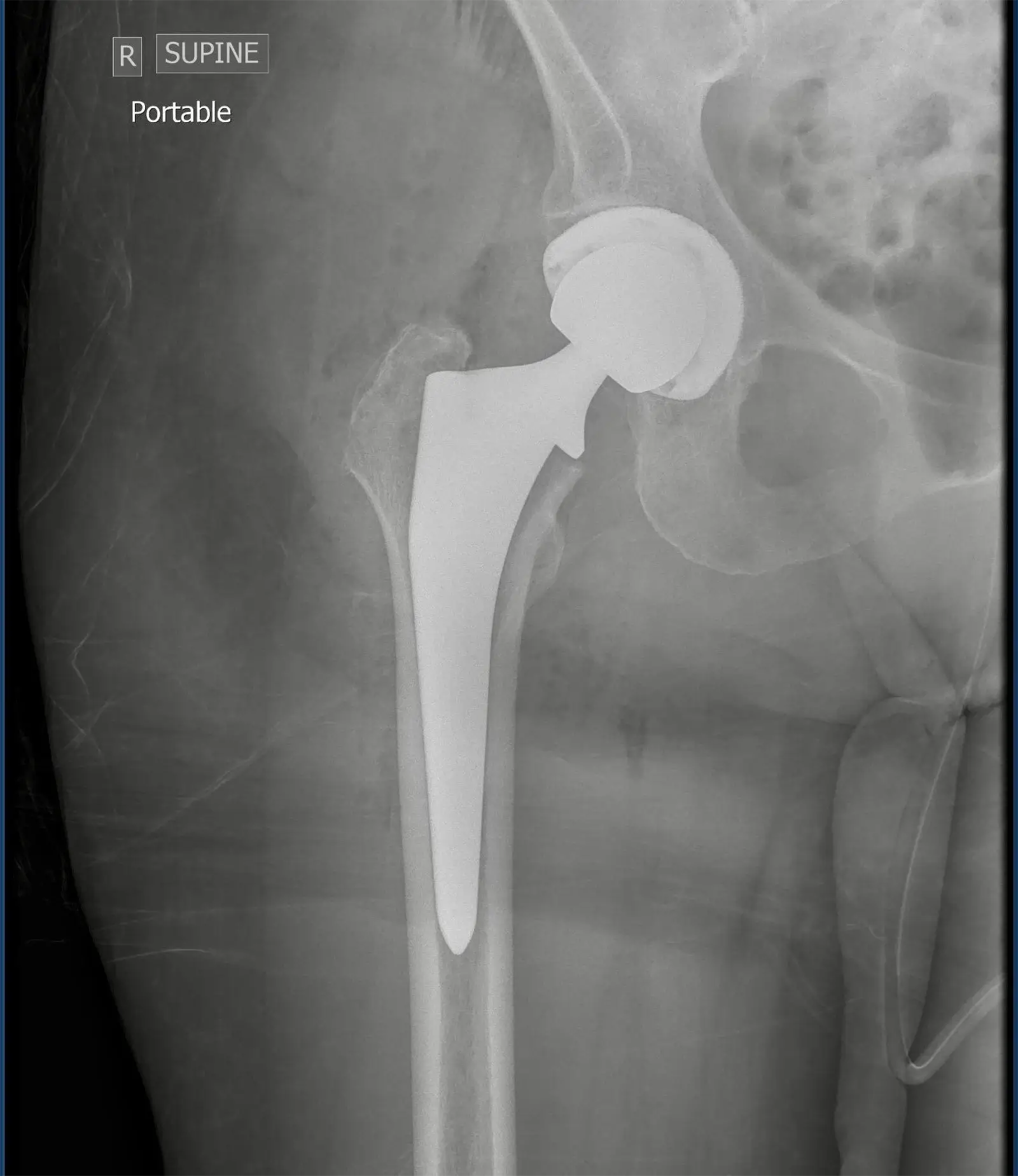
By minimising disruption to the muscles surrounding the hip, this approach may offer:
- Less soft-tissue trauma
- Reduced early postoperative pain
- Faster early functional recovery
- Earlier return to everyday activities
- Accurate assessment of implant position and leg length
Careful pre-operative planning, together with intra-operative imaging, is used to help optimise implant position and leg length during surgery.
The overall goal is to relieve pain, restore mobility and help patients return to comfortable, confident movement with a hip replacement that feels stable and functional.
Knee Replacement
Knee arthritis can gradually make everyday activities such as walking, climbing stairs, standing for long periods or getting up from a chair increasingly difficult.
As the joint wears, patients may also develop stiffness, swelling, loss of movement or progressive deformity.
When these symptoms become significant and non-operative treatment is no longer providing sufficient relief, total knee replacement may be considered.
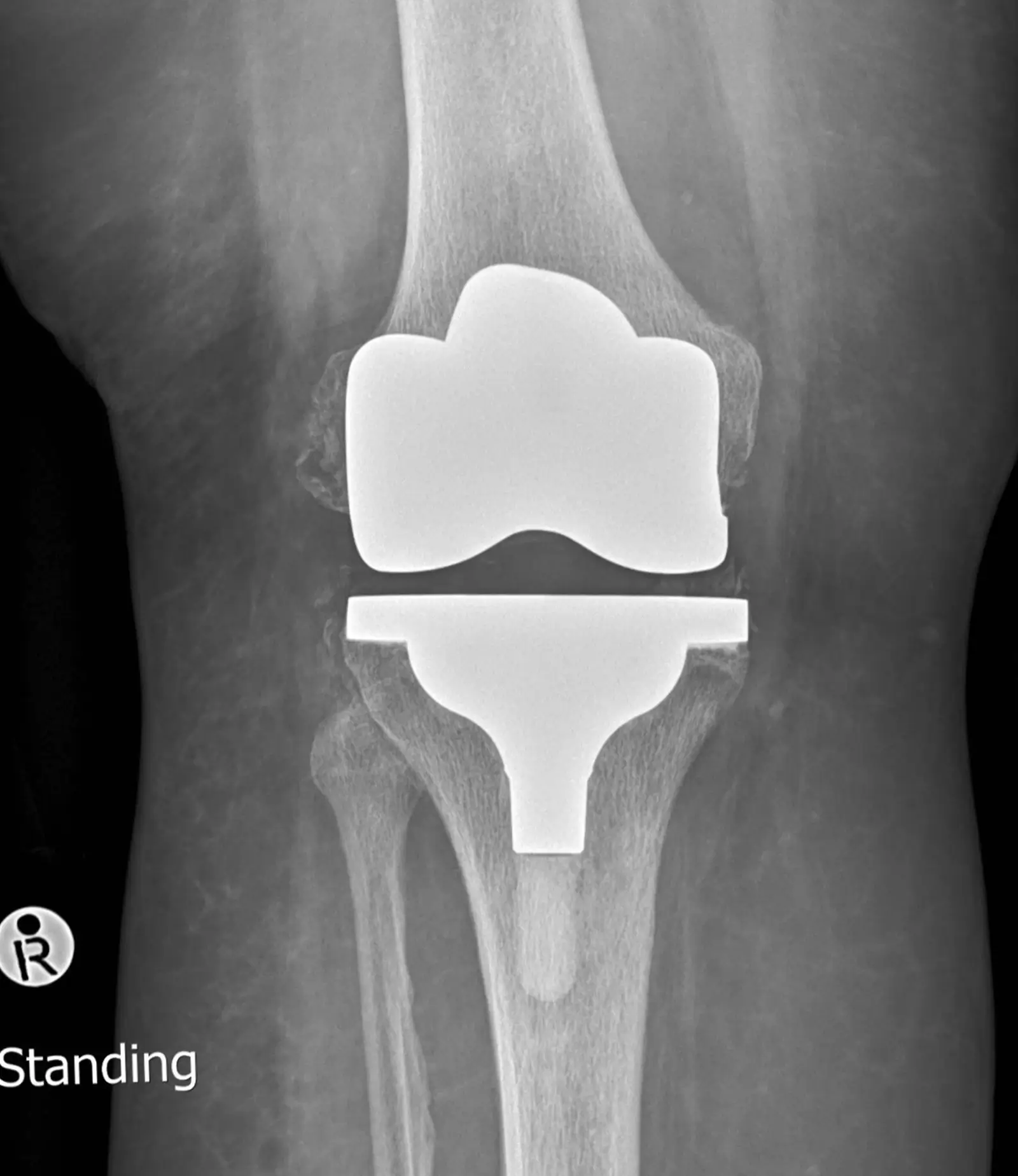
During surgery, the worn surfaces of the knee are resurfaced and replaced with precisely positioned implants. An important part of the procedure is achieving the right balance between alignment, stability and movement so that the reconstructed knee functions as naturally as possible.
Dr Mametja has a particular interest in Kinematic Alignment for total knee replacement. This approach recognises that every patient’s knee anatomy is different and aims to restore the individual knee closer to its natural pre-arthritic alignment, rather than applying the same alignment target to every patient.
Kinematic Alignment may help to:
- Preserve more of the patient’s natural knee anatomy
- Achieve balanced soft tissues with fewer ligament releases
- Restore more natural knee mechanics
- Improve comfort and function after surgery
Careful planning is used to tailor the operation to each patient’s anatomy, degree of arthritis and overall limb alignment.
The aim is not simply to replace the worn joint, but to create a knee that feels more natural, allowing patients to move with greater confidence.
Revision Arthroplasty
Hip and knee replacements are designed to provide long-term pain relief and improved function, but over time some joint replacements may develop complications that require further surgery.
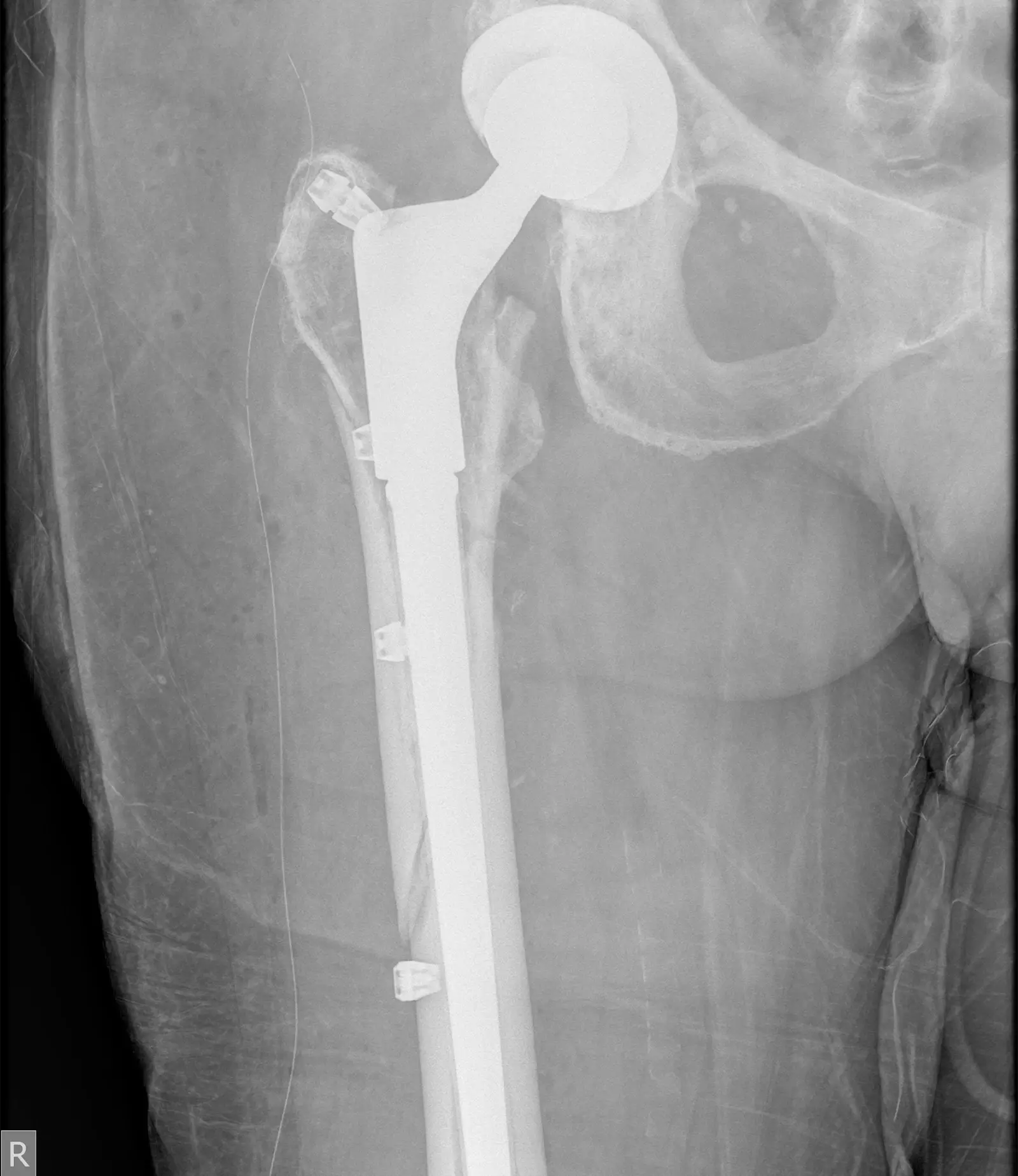
Revision arthroplasty is surgery performed to replace, remove or reconstruct part or all of a previous hip or knee replacement. Compared with a first-time joint replacement, revision surgery is often more complex and may require specialised implants, management of bone loss and a carefully planned reconstruction.
Why Might a Joint Replacement Need Revision?
A hip or knee replacement may require revision for several reasons, including:
- Implant loosening – when one or more components lose secure fixation to the bone
- Wear of the implant surfaces over time
- Infection around the joint replacement
- Instability or recurrent dislocation
- Fracture around the implant
- Implant failure or breakage
- Significant bone loss
- Persistent pain, stiffness or poor function
- Problems with implant position or joint alignment
Not every painful joint replacement requires revision surgery. The first and most important step is to establish the underlying cause of the symptoms.
Assessment of a Painful Hip or Knee Replacement
Revision surgery begins with a thorough assessment.
This usually includes a detailed history, clinical examination and careful review of previous operations and imaging. Depending on the suspected problem, further investigations may include:
- Specialised X-rays
- Blood tests
- CT or other advanced imaging
- Joint aspiration to investigate possible infection
- Additional tests where required
Why Revision Surgery Is More Complex
Revision arthroplasty can be technically demanding because the anatomy may have changed since the original operation.
There may be:
- Loss of bone around the previous implants
- Scar tissue
- Altered anatomy
- Ligament or muscle deficiency
- Previous infection
- Fractures or structural weakness around the joint
For this reason, revision surgery requires detailed pre-operative planning and a clear reconstruction strategy.
Dr Mametja provides revision hip and knee replacement surgery, with an emphasis on identifying the cause of failure, restoring stability and alignment, managing bone loss and achieving secure fixation of the new reconstruction.
Recovery After Revision Arthroplasty
Recovery following revision surgery varies considerably depending on the complexity of the procedure.
Some patients may follow a recovery pathway similar to a primary joint replacement, while others may require a longer period of protected weight-bearing, rehabilitation or the use of walking aids.
The expected recovery process, precautions and rehabilitation plan are discussed individually before surgery.
Because every failed joint replacement presents a different challenge, revision arthroplasty is highly individualised. A careful diagnosis and detailed surgical plan are therefore central to achieving the best possible outcome.
Orthopaedic Trauma — Assessment and management of fractures and musculoskeletal injuries, including complex injuries requiring operative treatment.
Comprehensive Orthopaedic Care
Dr Mametja provides specialist care for hip and knee arthritis, primary and revision joint replacement, and orthopaedic trauma. Treatment is tailored to each patient, with an emphasis on careful assessment, precise surgical planning and modern techniques designed to relieve pain, restore function and support a confident return to everyday movement.
Orthopaedic Trauma
Orthopaedic trauma involves injuries to the bones, joints and surrounding soft tissues caused by falls, accidents, sport or other forms of trauma.
These injuries can range from relatively simple fractures to complex injuries involving multiple bones, joints, ligaments or soft tissues. Prompt assessment and appropriate treatment are important to restore alignment, stability and function while reducing the risk of long-term complications.
Dr Mametja provides assessment and treatment for a wide range of adult orthopaedic trauma, including both acute injuries and complications following previous trauma.
Conditions We Treat
- Fractures of the upper and lower limbs
- Hip and pelvic fractures
- Fractures around the knee, ankle, shoulder and elbow
- Wrist and forearm fractures
- Fractures around existing joint replacements
- Joint dislocations
- Ligament and soft-tissue injuries associated with trauma
- Complex or multiple fractures
- Injuries that have failed to heal correctly
- Complications following previous fracture surgery
Fracture Assessment and Management
Not every fracture requires surgery.
Treatment depends on the type and location of the injury, the degree of displacement, the stability of the fracture, the condition of the surrounding soft tissues and the patient’s individual needs.
Some injuries can be managed with immobilisation, bracing or protected weight-bearing, while others require surgery to restore alignment and stability.
Where surgery is required, fixation may involve plates and screws, intramedullary nails or other specialised implants depending on the injury.
Complex Trauma
Some injuries are more challenging because they involve the joint surface, multiple fracture fragments, significant soft-tissue injury, bone loss or previous surgery.
These cases require careful assessment and detailed surgical planning to restore anatomy as accurately as possible and provide stable fixation that allows rehabilitation to begin safely.
Fractures Around Joint Replacements
Fractures occurring around a hip or knee replacement can be particularly complex.
Management depends on the location and pattern of the fracture, the quality of the surrounding bone and whether the existing implant remains securely fixed.
Treatment may involve fracture fixation, revision of the joint replacement, or a combination of both.
Trauma in Older Patients
Falls in older patients may result in injuries such as hip, shoulder or wrist fractures.
These injuries often require particular attention because bone quality, mobility before the injury and the patient’s general health can influence treatment decisions.
The aim is to provide treatment that allows safe mobilisation and helps patients regain as much independence and function as possible.
Recovery and Rehabilitation
Recovery after orthopaedic trauma depends on the injury and the treatment required.
Rehabilitation may involve physiotherapy, temporary use of walking aids, protection of the injured limb and a gradual return to normal activity.
Follow-up is used to monitor fracture healing, joint movement, alignment and recovery of function.
Our Approach
Every traumatic injury is different.
Treatment is therefore tailored to the individual patient, with the aim of achieving:
- Stable fracture healing
- Restoration of alignment
- Preservation of joint movement
- Early and safe mobilisation where possible
- Recovery of strength and function
- A return to everyday activities and independence